navigating through the nuances of fence upkeep, homeowners in New Bedford can uphold their property’s privacy with ease. This article delves into the critical maintenance practices that safeguard your boundary’s integrity over time. From regular assessments to seasonal weatherproofing measures, learn how to identify potential issues early and address them effectively. With tailored advice on cleaning, inspecting for damage, and executing repairs or replacements, your fence will stand as a robust barrier against the elements and intruders alike, all while enhancing your home’s aesthetic appeal.
- Assessing Your Fence's Condition Regularly
- Cleaning and Inspecting for Damage
- Seasonal Maintenance and Weatherproofing
- Handling Repairs and Replacements Efficiently
Assessing Your Fence's Condition Regularly
Regular assessments of your privacy fence are crucial for maintaining its integrity and longevity. As a New Bedford homeowner, it’s advisable to inspect your fence quarterly or after significant weather events. This proactive approach allows you to address issues like warping, rusting, or decay early on, preventing minor problems from escalating into costly repairs or replacements. During these inspections, pay close attention to the posts and rails, as they are the foundation of your fence’s structure. Look for any signs of loosening or noticeable tilting that could indicate settlement or soil erosion. Additionally, check for splits, cracks, or broken pickets, which can compromise the privacy and security your fence is designed to provide. If you notice damage, take prompt action to repair or replace affected components. Keeping a record of maintenance activities and repairs can help you stay on top of the fence’s condition and plan for future upkeep effectively. Regular upkeep not only preserves the aesthetics of your property boundary but also ensures the safety and privacy of your home environment.
Cleaning and Inspecting for Damage
Regular cleaning and meticulous inspections are pivotal for maintaining the integrity and longevity of a privacy fence in New Bedford. For cleaning, homeowners should opt for gentle yet effective cleaning solutions to prevent damage to the fence material. A mix of warm water and a mild detergent typically suffices for removing surface dirt and grime. A soft-bristled brush or a pressure washer set to a low-pressure setting can aid in this process without harming the finish. It’s advisable to avoid caustic chemicals, as they can wear down the materials over time.
Inspections should be conducted at least twice a year, particularly after extreme weather events, to identify and address any signs of damage or wear early on. During these inspections, check for loose or missing fence boards, rusting hardware, or any other structural issues that could compromise the privacy and security the fence provides. Tightening nuts and bolts, repairing splits or holes in boards, and replacing any severely damaged sections promptly will prevent more extensive damage and maintain the aesthetic appeal of the property. Keeping a record of maintenance tasks completed can help homeowners stay on top of their fence’s condition and ensure it remains a reliable barrier for years to come.
Seasonal Maintenance and Weatherproofing
Seasonal maintenance is a critical aspect of preserving the privacy of your New Bedford home and the longevity of your fence. As seasons change, so do the environmental conditions that can affect your fence’s integrity. During the spring, after the harsh winter months have passed, conduct a thorough inspection for any damage caused by ice, snow, or high winds. Check for loose or rotting boards, and make necessary repairs or replacements. Remove any accumulated debris or foliage that may have grown up against the fence, as this can retain moisture and promote decay.
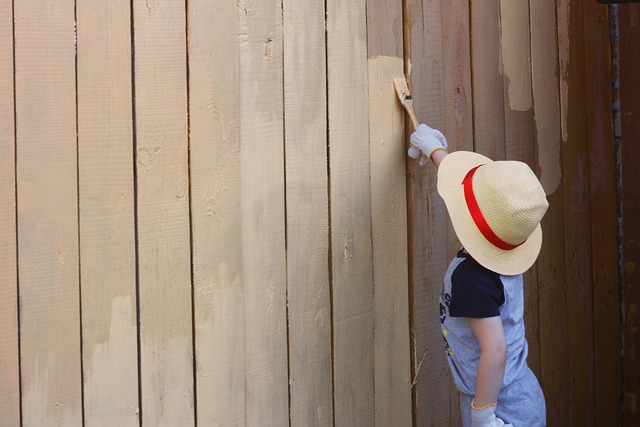
As summer progresses, keep an eye on your fence for signs of wear from sun exposure, such as fading, cracking, or warping. Regularly clean the fence with a mild detergent solution to remove dirt and algae, which can otherwise cause staining and reduce the wood’s natural resistance to moisture. In autumn, falling leaves and other organic matter should be cleared promptly to avoid leaf mold forming on the surface, which can lead to fungal decay. Lastly, before winter sets in, apply a protective stain or sealant to safeguard against the elements. This not only extends the life of your fence but also ensures it remains a reliable barrier throughout the year. Weatherproofing measures like these are essential for adapting to New England’s varied climate and maintaining the privacy and appeal of your home’s exterior boundaries.
Handling Repairs and Replacements Efficiently
When it comes to maintaining a privacy fence in New Bedford, handling repairs and replacements efficiently is key to preserving both the functionality and aesthetic appeal of your boundary. Regular inspections should be conducted to identify any damage or wear that may have occurred due to environmental factors such as high winds, heavy snow, or the relentless exposure to the region’s salt air. Common issues like loose or rotting boards, rusted hardware, or compromised gate hinges should be addressed promptly. For repairs that involve wooden fences, use weather-resistant wood filler for cracks and gaps, and apply a fresh coat of stain or paint to protect against further decay. If metal elements are present, such as in an iron fence, ensure that any rust is sanded down and treated with a protective coating to prevent corrosion.
For more extensive damage that requires replacement sections, it’s advisable to match the materials and style of the existing fence. This maintains uniformity and visual appeal. When replacing posts, which are the structural backbone of the fence, it’s important to set them firmly in concrete at least 24 inches deep to provide stability against wind and other forces. Always use high-quality fasteners and fittings for gates and corners, as these areas often experience more stress and wear. Regular maintenance, including tightening any loose screws or bolts and repainting or restaining the fence as needed, will extend its lifespan and keep it a reliable barrier between your property and the outside world.